

What Consistency Really Means (and Why Most Athletes Miss It)
Most athletes think consistency means never missing workouts and constantly pushing harder. In reality, sustainable consistency comes from motivation, identity, recovery, and intelligent training balance.

The Secret to Winter Motivation? It’s Not More Zwift Races.
Winter motivation is not built through endless Zwift races and forced intensity. Learn how you can use intrinsic motivation, autonomy, community, and purpose to stay consistent and avoid burnout.

Been out of the gym awhile? Here’s your re-entry plan
Returning to the gym after some time off can feel humbling for cyclists, but losing strength temporarily is normal. Learn how to rebuild strength, avoid excessive soreness, and structure off-season lifting effectively.

Ditch the Plan (Kind Of): “Unstructured Structure” In The Off-Season
The off-season is not the time to force peak-season structure year-round. Learn how “unstructured structure,” cross-training, and flexible training help cyclists recover mentally, reduce burnout, and build long-term fitness.

Late-Season Fatigue: Why Motivation Drops & What To Do About It
Late-season fatigue is more than just tired legs. Learn why cyclists and endurance athletes experience motivation loss, HR suppression, nervous system fatigue, and performance plateaus — plus how to recover intelligently.

You Don’t Get Faster From Training — You Get Faster From Recovery
Training creates fatigue — recovery creates adaptation. Learn how progressive overload, fatigue management, periodization, and recovery actually work for cyclists and endurance athletes.

Why Athletes Can’t “Just Be Rational”
Athletes often try to use logic to fight emotional thoughts after bad workouts or races — but neuroscience shows emotion comes first. Learn how emotional regulation actually works and how endurance athletes can respond more effectively to setbacks.
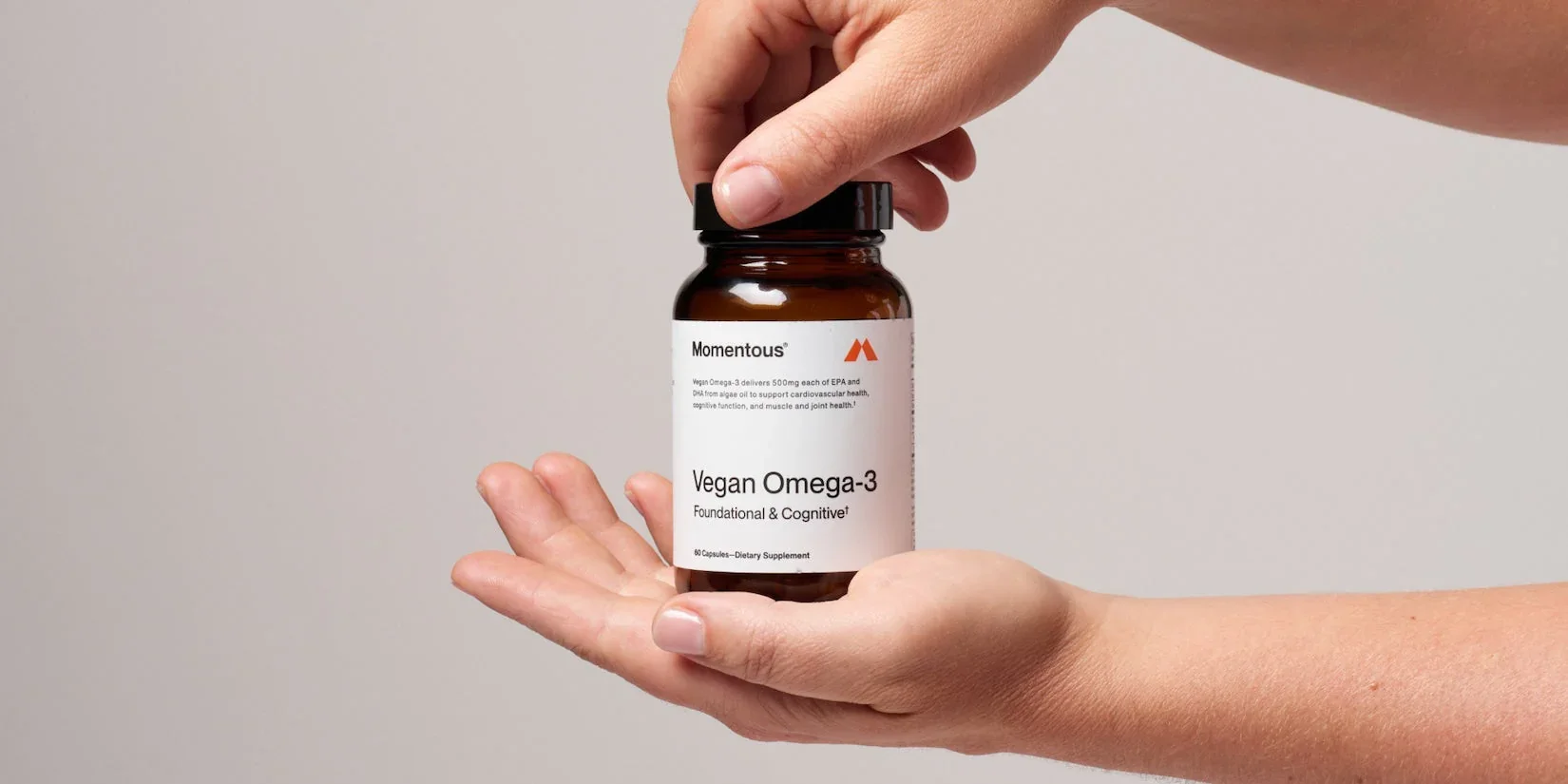
Why Omega-3s Matter — EPA, DHA, Recovery & Performance
Omega-3 fatty acids may help cyclists and endurance athletes recover faster, reduce inflammation, and support cardiovascular and brain health. Learn what EPA and DHA actually do for performance and recovery.

Deload Week vs. Recovery Week: What’s the Difference, and When to Use Each
Not all down weeks are created equal. In this post, we break down the key differences between a deload week and a recovery week, when to use each, and how they impact your performance, recovery, and long-term gains as an endurance athlete.
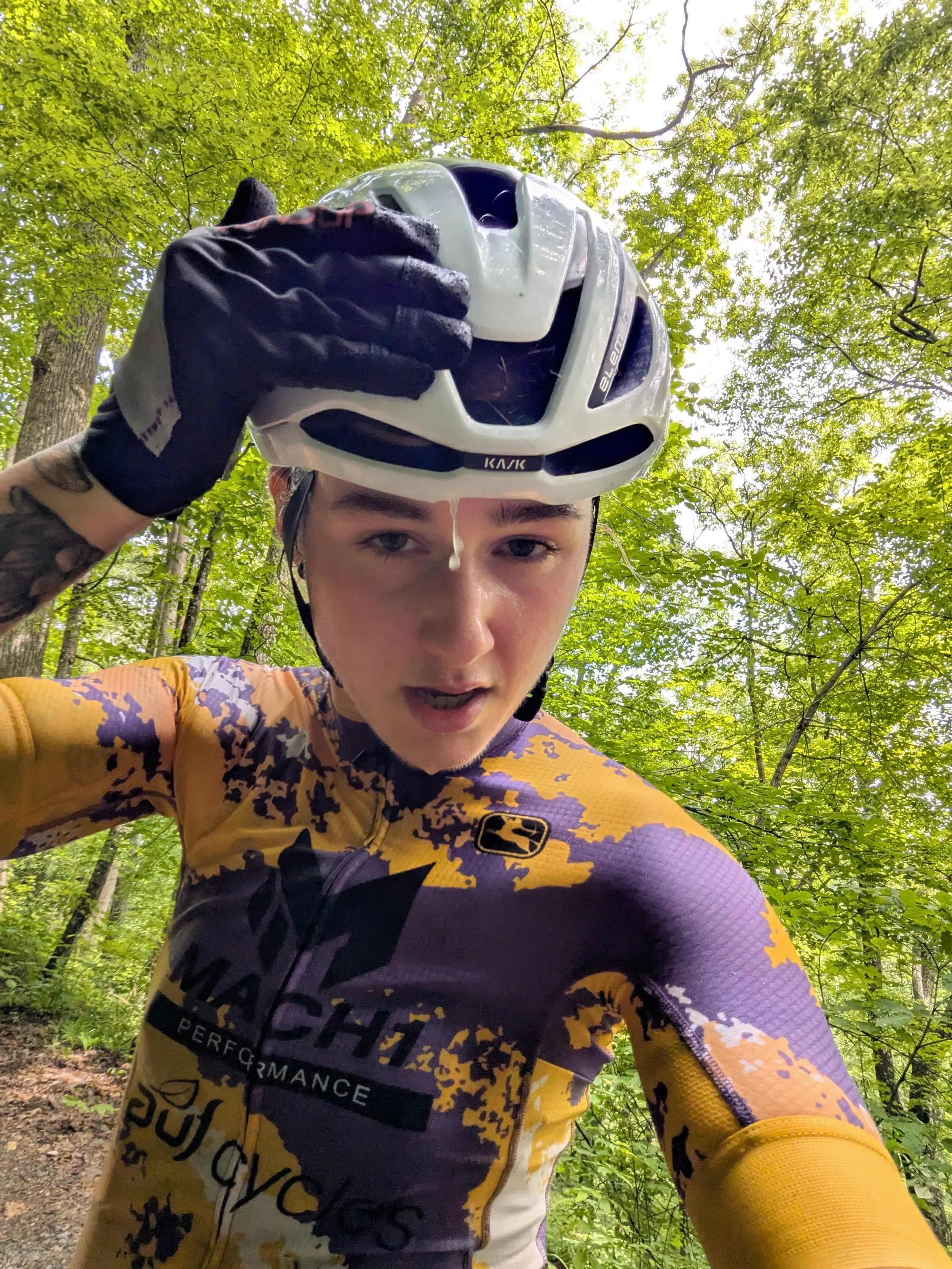
Should You Split Summer Rides Into Two Sessions?
Training in summer heat can either improve performance or increase fatigue depending on your goals. Learn when cyclists should embrace heat training, when to split rides into two sessions, and how heat impacts recovery, sleep, and interval quality.
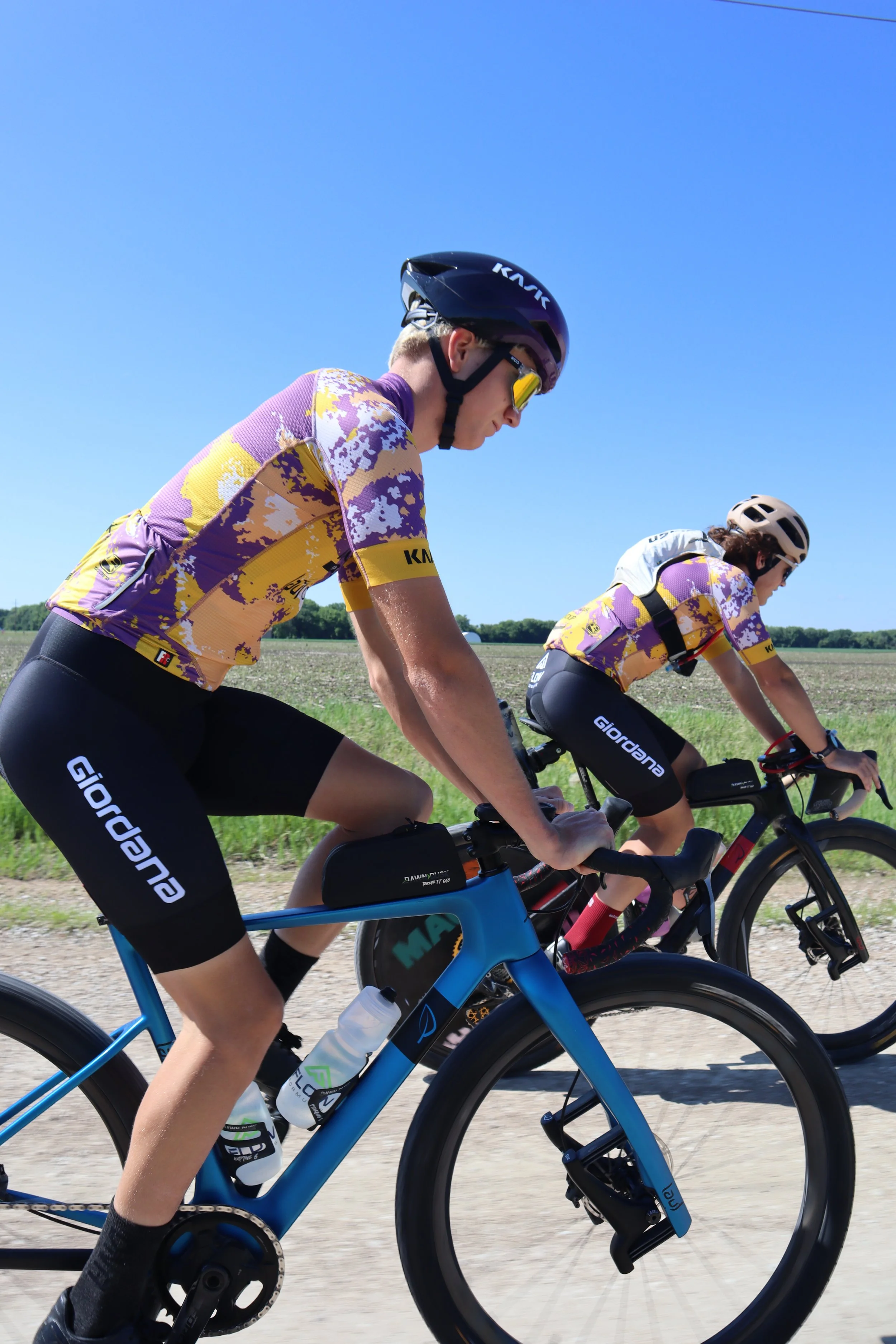
How to Bounce Back From a Bad Race
Struggling after a bad race? Discover six proven mindset and sports psychology strategies to help cyclists and endurance athletes recover mentally, improve resilience, and perform better moving forward.

The Science of Naps for Endurance Athletes
Let’s be honest—most of us aren’t getting a perfect 8+ hours of sleep every night. Between early rides, busy schedules, stress, and everyday life, full recovery is often the first thing to go.
But here’s the good news: naps aren’t lazy—they’re a powerful, science-backed tool that can boost your endurance, accelerate recovery, and sharpen your mental edge.

Pacing Isn’t Holding Back—It’s Knowing When to Strike
Pacing is one of the most misunderstood skills in endurance sport. It’s not about going slow—it’s about choosing when to go fast, with intention.

Small Effort, Big Payoff: Why 10-Second Sprints Are a Game-Changer
At Mach1 Performance, every detail in your training plan serves a purpose—including those all-out 10-second efforts sprinkled into your endurance sessions.
These aren’t just for fun. They’re Sprint Interval Training (SIT)—brief, max-effort sprints that deliver huge physiological returns with minimal time investment and almost zero recovery cost.

Why Training Smarter (Not Harder) Wins in the Long Run
By Roston Nordell, Mach1 Performance Devo Rider & Intern
“More pain, more gain” is the mindset fueling countless amateur and recreational athletes. But that mentality isn’t just unsustainable—it’s flat-out wrong.
Chasing fatigue isn’t a performance strategy. It’s a fast track to burnout. Real, lasting progress happens when you apply the right kind of stress, at the right time, with just enough recovery to adapt and grow.

Your Competitors Are Suffering in the Heat—You Won’t Be
Heat is one of the most underestimated forces in endurance racing. But it’s not just a challenge—it’s a performance opportunity. The difference? Whether or not you trained for it.
At Mach1 Performance, we help athletes turn heat into an edge. Here’s how.

Overtraining vs. Under-Recovery: Know the Signs Before You Burn Out
It sounds counterintuitive—but if you’re always training fast, you may actually be holding yourself back.
One of the most common mistakes cyclists make is going too hard on their easy days and not hard enough on their key workouts. At Mach1 Performance, we call it what it is: gray-zone purgatory.
So, what’s the fix? Strategic, consistent, low-intensity riding—also known as Zone 2 training.

Is Riding Slow the Secret to Getting Fast?
It sounds counterintuitive—but if you’re always training fast, you may actually be holding yourself back.
One of the most common mistakes cyclists make is going too hard on their easy days and not hard enough on their key workouts. At Mach1 Performance, we call it what it is: gray-zone purgatory.
So, what’s the fix? Strategic, consistent, low-intensity riding—also known as Zone 2 training.

Power Meters: The Best Investment or Just an Expensive Confidence Killer?
They’re everywhere—on cranks, pedals, hubs, and even built into the conversation at your local group ride. Power meters have become a standard in cycling tech. But are they truly worth the investment, or are they turning your training into a numbers game that undermines your confidence?

A Proven Supplement to Boost Your Cycling Performance: Sodium Bicarbonate
When you're chasing peak watts and podiums, every detail matters. At Mach1 Performance, we’re always looking for science-backed strategies to help our athletes perform their best—and one powerful but often overlooked tool is sodium bicarbonate.
More than just baking soda, this common compound has serious research behind it when it comes to buffering fatigue, increasing sprint performance, and helping you push through high-intensity efforts.