
supplements that rack up the bill — Worth It?
Walk into any bike shop or scroll through your feed and you’ll see it—powders, capsules, and tonics all promising faster recovery, more power, or better endurance.
It’s easy to think one of them might be the missing piece.
Let’s cut through the noise and look at what the research actually says about the most common supplements cyclists consider:
What are they supposed to do?
What do they really deliver?
And when might they actually make sense?
Beta-Alanine

Beta Alanine Supplement
~$20–$40/month
What people expect: better tolerance of hard efforts.
The nuance: Research consistently shows beta-alanine can improve performance in high-intensity efforts lasting roughly 1–6 minutes, but only after daily supplementation for several weeks. It works by increasing muscle carnosine—not acutely.
Worth it if:
You’re targeting repeated hard efforts, short climbs, attacks, or short-track/crit-style intensity.
You’re willing to take it daily for weeks.
You don’t mind the tingling sensation (paresthesia).
Recommended brands: Thorne or NOW Sports
Not worth it if:
Your focus is long endurance or steady-state efforts.
You won’t take it consistently.
Tongkat Ali

Tongkat Ali supplement
~$30–$60/month (varies widely by brand)
What people expect: higher testosterone, better recovery, better performance.
What the evidence suggests: Tongkat Ali may support modest increases in testosterone, primarily in men with low or borderline levels.
A 2024 study found that four weeks of supplementation led to small but measurable improvements in lean body mass and reductions in fat mass, without significant adverse effects.
Performance benefits in trained endurance athletes are far less clear—no high-quality trials have demonstrated measurable gains in aerobic capacity or cycling performance.
Worth it if:
You’re looking for mild hormonal support.
You’ve already addressed sleep, energy intake, stress, and training load.
You’re using a reputable, third-party tested product.
Recommended brands: Momentous, Thorne, or Double Wood (all third-party tested and transparent about sourcing).
Not worth it if:
You think it replaces lifestyle factors that actually regulate hormones.
You expect a noticeable endurance or strength boost.
Beetroot Nitrate Supplements
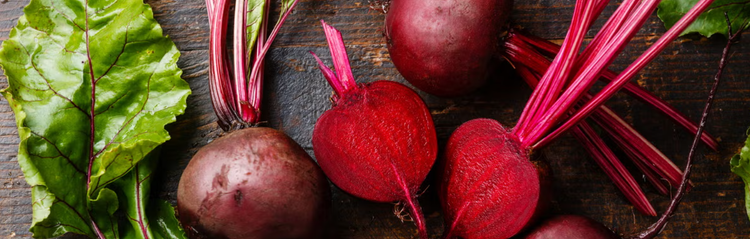
Beetroot Nitrate Supplements
~$2–$5 per dose
What people expect: better endurance, “free watts,” improved oxygen efficiency.
The nuance: Dietary nitrates can improve performance in some endurance contexts, particularly moderate-intensity efforts. Benefits tend to be smaller (or absent) in highly trained athletes.
How it works (in theory): Dietary nitrates enhance nitric oxide availability, which improves blood flow, mitochondrial efficiency, and muscle contractility. Multiple studies support this mechanism: for example, one study found that nitrate supplementation reduced oxygen cost during submaximal exercise, while another reported improved time-trial performance in moderately trained cyclists. However, the benefits appear to diminish in elite or highly trained athletes, likely because their baseline nitric oxide pathways are already optimized.
Worth it if:
You’re training or racing later in the day and want a non-caffeine option.
You’ve tested it in training and respond well.
Recommended brands: Beet It Sport, Swiss RX, or Dear Apothecary
Not worth it if:
You’re already using caffeine effectively.
You expect guaranteed gains.
Sodium Bicarbonate
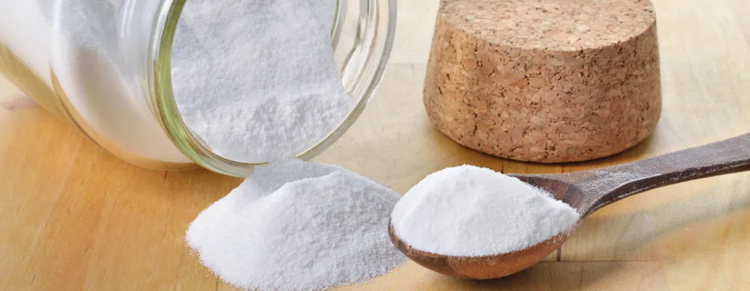
Sodium Bicarbonate Supplement
~$1–$3 per dose (but high risk / high reward)
What people expect: buffering acidity, improved high-intensity performance.
The nuance: Oral sodium bicarbonate can improve high- and moderate-intensity performance—BUT GI distress is common and can completely negate any benefit. Chronic or frequent use also carries risks.
Worth it if:
You’ve tested a protocol that doesn’t wreck your stomach.
You use it sparingly for key efforts only.
Recommended brands: It's Just! Baking Soda or Prescribed For Life (any food-grade baking soda)
Not worth it if:
You’re trying to push through accumulated fatigue.
You’re using topical forms (evidence suggests poor absorption and no meaningful effect).
Collagen Complexes
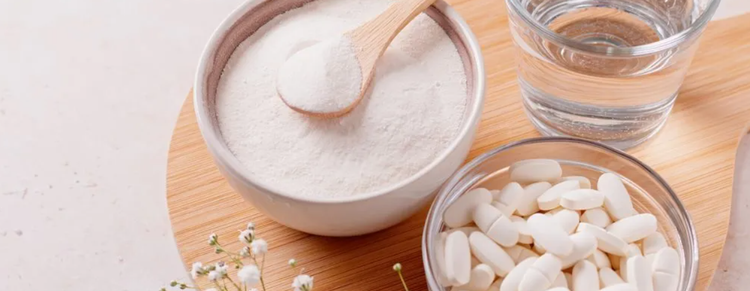
collagen complexes supplements
~$25–$50/month
What people expect: healthier joints, fewer injuries, better connective tissue.
The nuance: A recent meta-analysis suggests collagen supplementation may support tendon, ligament, and joint health when paired with appropriate loading, but it does not directly improve performance.
Worth it if:
You have recurrent tendon, ligament, or joint issues.
You’re returning from injury and loading connective tissue.
You already meet energy and total protein needs.
Recommended brands: look for hydrolyzed collagen peptides from reputable, third-party tested brands such as Vital Proteins or Momentous Collagen Peptides If you prefer a vegan alternative, consider supplements such as Garden of Life Vegan Collagen Builder or Vedge.
Not worth it if:
You have no connective tissue issues.
You expect it to compensate for poor nutrition or training errors.
You expect performance gains.
Protein Powders
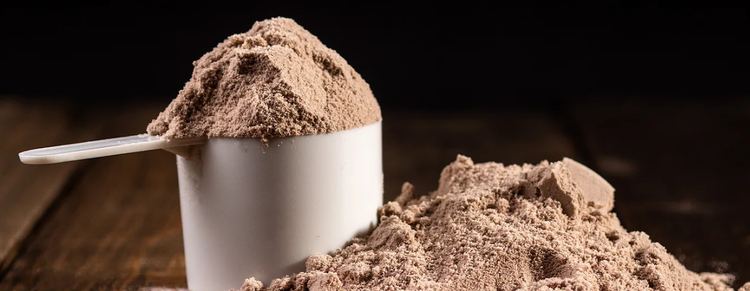
protein powder supplements
~$1–$2 per serving
What people expect: better recovery, muscle repair, easier protein tracking.
What the evidence suggests: Protein is critical for repair and adaptation, and protein powders can make it easier to hit targets, especially post-ride when appetite is suppressed. Choosing a high-quality, third-party tested protein ensures purity and digestibility.
Worth it if:
You struggle to hit protein targets through whole food alone.
You have higher training loads or muscle repair needs.
Recommended brands: OWYN, Orgain, Ghost, Transparent Labs, or Optimum Nutrition Gold Standard
Not worth it if:
You can easily meet protein needs with real food (but a shake still works fine)!
The Bottom Line
Supplements aren’t magic—and most don’t fail because they’re useless.
Think of them as fine-tuning, not foundation. If your sleep, fueling, and training are dialed, a few targeted additions might help. If not, they’re just expensive distractions.
Before you buy, pause and ask yourself:
What gap am I actually trying to fill?
Is this the simplest, most cost-effective way to do it?
Have I already nailed the fundamentals that matter most?
Will I be consistent enough for it to make a difference?
P.S. What else belongs on this list?
Tell me which supplements you actively take, which you’ve ditched, or which you’ve been wanting to give a try!