
Ketones: they’re everywhere
You’ve probably seen the social posts and ads claiming recovery or performance breakthroughs. Or sponsorship logos on pro riders’ jerseys.
And maybe you’ve wondered: Is there real science behind this — or just marketing?
This week I cut through the noise with evidence, not hype.
What Are Exogenous Ketones?
Ketone supplements are designed to raise blood levels of ketone bodies — particularly β-hydroxybutyrate (βHB) — without needing a ketogenic diet. They come mainly in two forms:
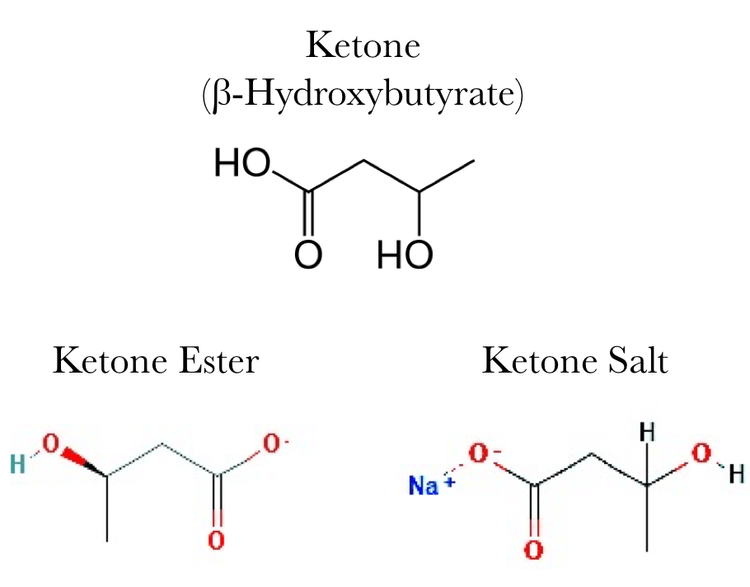
Ketone esters — stronger, more effective at raising blood βHB
Ketone salts — easier to produce but less potent and sometimes with poor bioavailability
Proponents argue ketones can:
Act as an alternate fuel source
Spare glycogen
Improve cognitive focus
Accelerate recovery
That’s the theory. But what does the evidence tell us?
Performance: The Mixed (Mostly Neutral) Evidence
The Initial Hype
A high-profile study suggested ketone esters might improve performance in a 30-min cycle time trial after a 1-h preload, showing ~2% improvement compared to placebo — a headline that sparked excitement.
But that’s where consistency ends.
What Systematic Reviews Show
Multiple systematic reviews and meta-analyses conclude:
No consistent performance benefit from ketone supplementation
Many tests show no effect or mixed outcomes
Some show potential performance impairment in time trials or high-intensity efforts
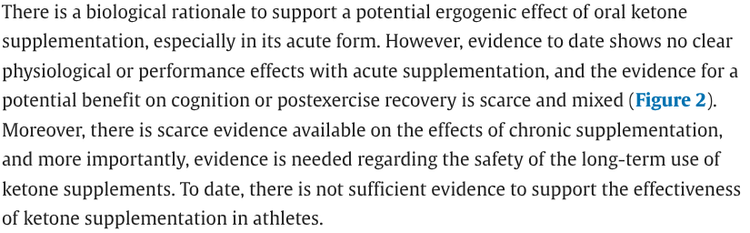
The evidence is inconclusive, and high heterogeneity (mixed results) across studies makes definitive interpretation difficult.

Recovery: Not the Magic Bullet It’s Sold As…
Early animal and lab work fueled speculation that ketones could enhance muscle glycogen resynthesis or reduce inflammation post-exercise.
But the latest consensus is:
No clear evidence that ketone supplements meaningfully improve recovery
Large governing bodies do not recommend them for recovery use
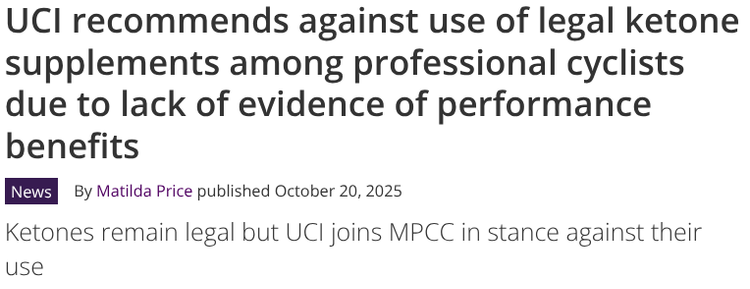
In fact, after reviewing multiple controlled trials, cycling’s governing body recently stated ketones offer no compelling performance or recovery benefit, and thus are not recommended in athlete nutrition plans.
Mechanistic Theories vs. Practical Reality
Yes, there are plausible mechanisms:
Ketones may alter fuel use
They may impact cell signaling or inflammation pathways
They may affect cognition during prolonged events
BUT:
Mechanistic potential ≠ consistent real-world benefit
Many high-quality athletic performance tests show no net gain
When performance changes do appear, they’re often small or context-specific
In other words: ketones have biological effects, but not reliably ergogenic ones.
Bottom Line
If you’re getting them for free, then sure, test them first in training and use them if you feel a benefit.
If not, maybe save your money and get yourself a sports massage ;)