
I See Cyclists Spend Thousands on These Things — Are They Worth It?
Cyclists love “smart” purchases. We want the thing that makes recovery faster, fueling easier, training more effective, and overall performance better.
So here’s a real guide to the stuff people buy that sounds like it should help… and sometimes does… and sometimes probably doesn’t.
The goal isn’t to shame anyone’s gear. It’s to ask one question:
What problem is this actually solving for you?
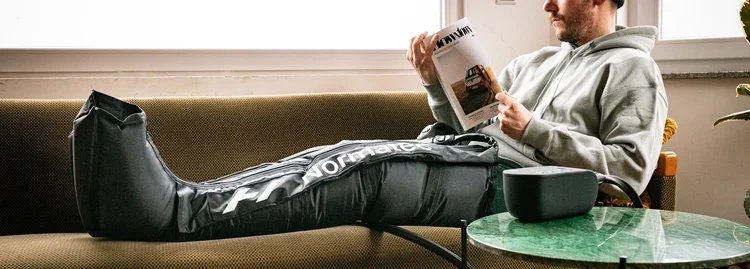
HYPERICE Normatec Boots Leg Compression Recovery System Cyclists
$899
From the product page: “Normatec 3 Legs is a dynamic air compression massage that helps your legs feel refreshed faster.”
What people expect: faster recovery, less soreness, better next-day legs.
What the evidence suggests: the 2025 systematic review and meta-analysis by Li et al. found that compression garments can modestly reduce perceived muscle soreness and markers of muscle damage in the short term, but they do not produce meaningful improvements in muscle strength or power recovery.
In other words, they may help you feel a bit better, yet the objective performance benefits remain limited and inconsistent.
Worth it if:
You travel a lot, race multi-day (assuming that you can lug these with you wherever you travel), or stack hard blocks and you’re chasing “I feel better right now.”
You struggle with swelling/heavy legs and subjective relief helps you get moving.
Not worth it if:
You’re buying it instead of sleep, fueling, and training load management.
Cheaper alternatives: legs up a wall, easy spin, hot shower, compression socks, and the boring king: sleep.

nix flowbio sweat testing sensor
~$200 to $350
Nix Hydration patch refills run at $25 for 4 patches (single use). That’s $6.25 per workout if you use one patch per ride.
FLOBio, on the other hand is a fully reusable, rechargeable sensor — no patches or subscriptions required.
What people expect: precise hydration + sodium targets, “never cramp again,” perfectly dialed bottles.
Reality check: sweat rate and sodium loss are helpful concepts to understand, and learning how your body responds in different conditions can make a real difference.
Sensors can offer insights, but remember that conditions shift (heat, intensity, acclimation), and you can still hydrate effectively without relying on real-time biosensing.
Worth it if:
You’re racing long in heat and have repeated issues (GI distress, cramping, under/over-drinking) AND you’ll actually use the data to test a plan in training.
Not worth it if:
You want it to replace basic habits (drinking to a plan, adjusting by heat, monitoring body mass change, practicing fueling).
Cheaper alternatives: pre/post ride weigh-ins + a simple hydration plan you practice.
Premium Cycling Bibs
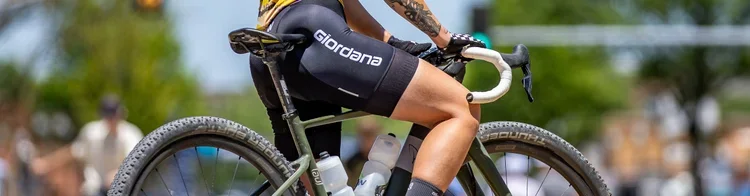
Giordana cycling bib shorts
~$200 to $300
What people expect: comfort, speed, “pro feel.”
The nuance: premium bibs are one of the few pricey upgrades that genuinely pay off. They don’t just add comfort; they transform how you feel on the bike. When your kit eliminates chafing, pressure points, and saddle pain, you’ll ride longer, more often, and with more joy.
The real difference often comes down to the chamois itself — in high-end options like those from Giordana, the multi-density foam and advanced shaping hold their structure for thousands of miles. Cheaper pads compress and break down quickly, but a quality chamois keeps its support and breathability, meaning the comfort you feel on day one is still there months or even years later.
Worth it if:
You ride a lot, do long days, or have recurring comfort issues.
You’ve found a brand/pad that truly fits your anatomy.
Not worth it if:
You’re buying “top tier” with poor fit. A $120 bib that fits > a $300 bib that doesn’t.
Rule of thumb: Spend money on the contact points (bibs, saddle, shoes)
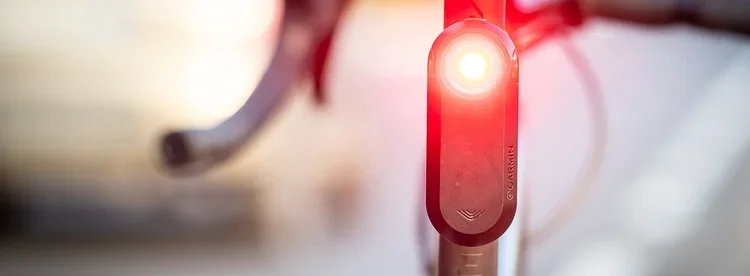
Garmin Varia tail light cycling
$199.99
What people expect: safety, earlier awareness, calmer road riding.
The nuance: radar doesn’t prevent cars — it improves your awareness. Many riders report it meaningfully reduces anxiety and helps them ride smarter, especially on busier roads.
Worth it if:
You ride on roads with traffic and you want earlier alerts to approaching vehicles.
You struggle with shoulder checking or riding confidently in wind/noise.
Not worth it if:
You think it replaces looking, listening, or choosing safer routes.
You rarely ride roads with traffic.
At-Home Blood Lactate Meters
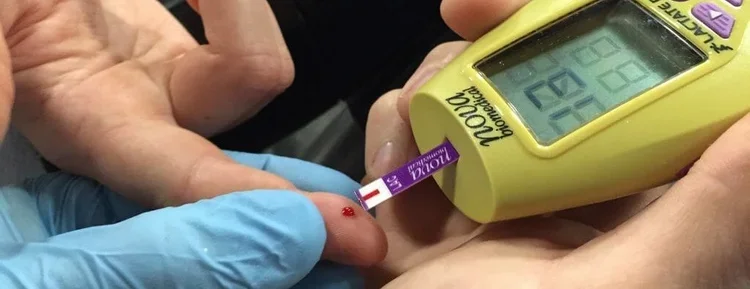
Lactate Testing Meter Strip
~$200-$400+
Many handheld lactate devices require disposable strips — often around $1.80–$2.50 per strip when bought in bulk
What people expect: precise training zones, lab-level insight at home, a “scientific” way to track fitness and progress.
The reality: lactate testing can be incredibly powerful — but only when it’s done correctly, consistently, and with a clear understanding of what the data actually means. Without that, it quickly becomes expensive noise.
Lactate is highly context-dependent. It’s influenced by:
Warm-up quality
Stage duration and progression
Nutrition and glycogen status
Hydration
Recent training load and fatigue
Time of day
Sampling technique
Change any of those, and the numbers change, even if your fitness hasn’t.
This is why lab testing follows strict protocols, and why poorly controlled at-home testing often leads to confusion rather than clarity.
Worth it if:
You’re willing to standardize protocols every single time (same warm-up, same step durations, same timing of samples).
You understand that lactate is not a fixed threshold, but a response curve that shifts with fatigue and adaptation.
You’re using it to answer specific questions (e.g., “Has my lactate response at 260 W shifted after this block?”), not to micromanage daily training.
Not worth it if:
You think this is a simple, beginner-friendly way to define zones.
You expect it to replace FTP testing, RPE, heart rate trends, or coaching judgment.
You want a device that tells you “how fit you are” after every ride.
You’re likely to change protocols from test to test and still compare results.
Sports Massages
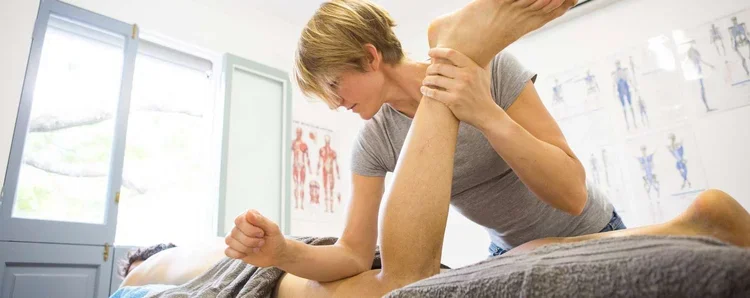
Sports Massage Therapy
~$80-$150 per 45 to 60-minute session
What people expect: faster recovery, fewer knots, less soreness.
Reality: massage can be great for pain relief and relaxation, but it’s not a replacement for recovery fundamentals. (And “better” is often subjective.)
Systematic reviews and meta-analyses consistently show no clear evidence that sports massage directly improves performance. Some studies suggest small, short-term improvements in flexibility or perceived soreness (DOMS), but these effects are inconsistent, and later analyses have found no reliable reduction in DOMS at all. More recent reviews conclude that massage is best viewed as an indirect aid, helping athletes feel more relaxed, focused, and mentally ready, rather than a true performance or recovery enhancer.
Worth it if:
It reduces stress and helps you sleep or feel loose before big training blocks or after a hard race.
You personally respond well and it fits your budget.
Not worth it if:
You’re skipping sleep or under-fueling and hoping massage saves it.
Expensive Chain Lubricants
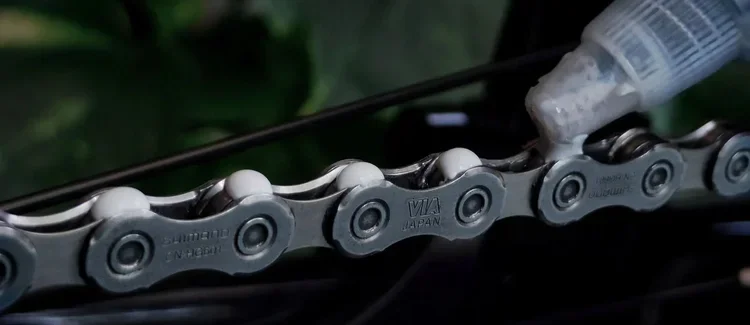
Bicycle Chain Lubricant
~$12–$30+ per oz (vs mid-budget lubes at ~$7–$12 per oz)
What people expect: free watts, cleaner drivetrain, longer component life.
The nuance: drivetrain friction is real, and testing shows lubes differ meaningfully…but the ROI depends on your conditions and maintenance habits.
Check out how 55 different chain lubes stack up
Worth it if:
You keep your chain clean and reapply consistently (especially in wet/grit).
You care about longevity + efficiency.
Not worth it if:
Your chain is always filthy and you rarely maintain it. Lube quality can’t outsmart grime.
Altitude / Hypoxic Sleep Tents
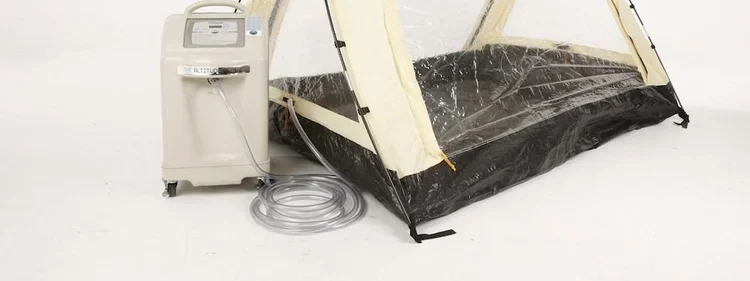
altitude hypoxic tent for sleep
~$500-$6,500+
From The Box Altitude Training Sleep Cloud System: This revolutionary sleep system simulates altitudes up to 9,842 feet while you rest, triggering physiological adaptations that enhance endurance performance without disrupting your daily training schedule.
What people expect: altitude adaptation without leaving home.
The nuance: altitude adaptation is a whole system (dose, consistency, iron status, sleep quality). Hypoxic sleeping can help certain athletes in certain setups — but for many, it’s expensive complexity with inconsistent return.
Did you know? Just sleeping in the tent won’t actually mean enough time to stimulate meaningful adaptation. Research shows you generally need more than 12 hours per day of hypoxic exposure over several weeks to see measurable benefits in red blood cell mass and performance.
One analysis found that most athletes will increase hemoglobin mass after approximately 300 total hours of hypoxic exposure, which translates roughly to ~14–15 hours per day over a three-week period.
Worth it if:
You’re preparing for altitude events, ready to spend 12+ hours per day for multiple weeks in it, and you’re doing it with expert guidance.
Not worth it if:
Your sleep quality drops. Bad sleep will cost more performance than altitude “benefits” will gain.
Ceramic Bearings Upgrades
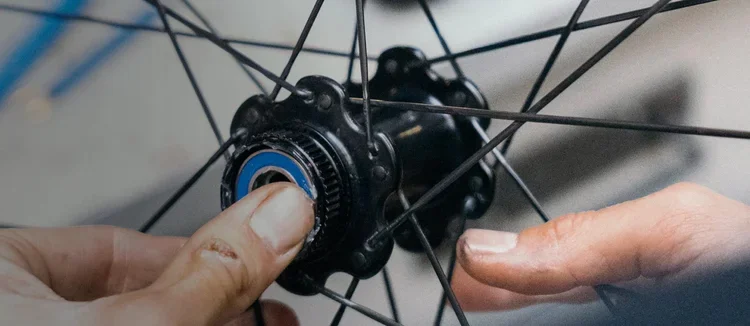
ceramic bearings cycling
~$630 for a CeramicSpeed wheel kit
What people expect: lower friction, marginal gains, “pro-level efficiency.”
The nuance: the watt savings tend to be small and context-dependent, and many claims are from manufacturer testing. Bike media generally frames it as very marginal for most riders.
Worth it if:
You race time trials or high-speed events where marginal gains matter.
You’ve already handled the big rocks (tires, position, chain cleanliness, training).
Not worth it if:
You’re hoping for a noticeable difference in everyday riding.
The Bottom Line
None of these are inherently “good” or “bad.” They’re just tools.
And the best tools are the ones that solve your current limiter, not the ones that look most advanced.
Before you buy the next thing, ask:
What problem am I solving?
Is this the cheapest effective solution?
Will I actually use it consistently?
What’s the opportunity cost (sleep, food, time, coaching, stress)?
P.S. What else belongs on this list?
Tell me the most expensive cycling purchase you’ve debated, and whether it actually delivered.