
Stop Wasting Matches: The Art of Free Speed
One of the biggest mistakes I see racers make isn't a fitness problem. It's an energy management problem.
They spend all winter building a bigger engine...Then waste half of it on race day.
Not because they're weak, but because they're inefficient.
The best racers aren't always the strongest riders in the field.
They're often the riders who arrive at the final hour with the most matches left to burn.
And that starts with understanding one simple concept:
The goal isn't to ride fast. The goal is to move fast while spending as little energy as possible.
Drafting Is the Greatest Performance Enhancer You Already Own
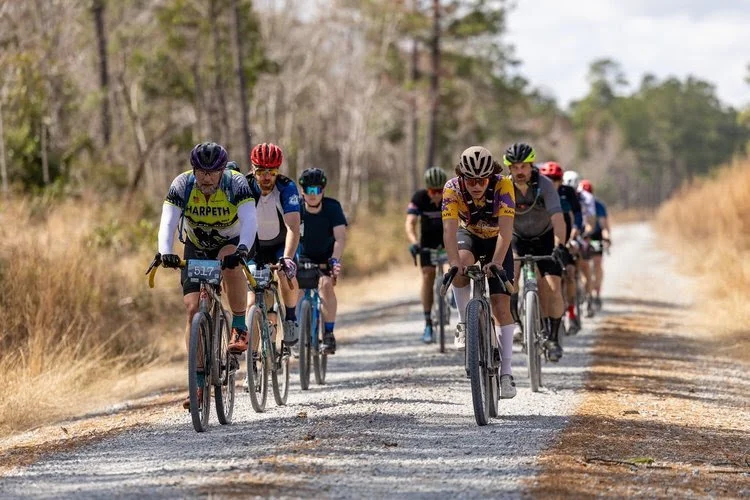
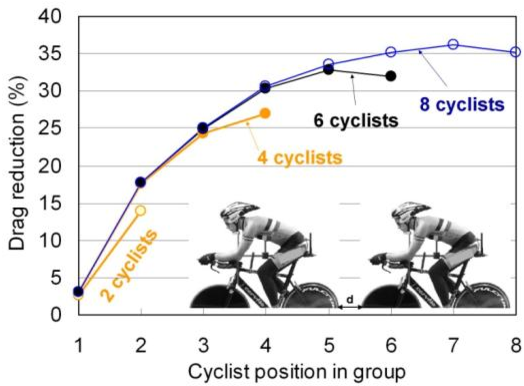
Research has consistently shown that at typical road and gravel race speeds, riding in a draft can reduce aerodynamic drag by approximately 20-40%, with savings increasing as speed increases and depending on position within the group.
One classic study by Olds (1998) estimated that a rider sitting directly behind another cyclist at race speeds could experience roughly a 27-38% reduction in energy expenditure compared to riding alone.
More recent aerodynamic studies have shown that:
A rider in the middle of a peloton may experience up to 50% or greater reductions in aerodynamic drag
Even sitting several wheels back can provide substantial savings
Drafting benefits still exist in crosswinds, although positioning becomes much more important
Let's put that into cycling terms.
Imagine you're riding at 250 watts.
A 30% drafting benefit means your body may only need to produce the equivalent stress of roughly 175 watts to maintain the same speed.
That's a difference of 75 watts!
Stop Chasing Every Gap
One of the most expensive things you can do in a race is repeatedly close gaps.
(Especially gaps that never needed to happen in the first place.)
This often happens because riders stare directly at the wheel in front of them.
Instead: Look 3-5 riders ahead.
You'll start noticing:
Riders getting tired
Wheels opening
Momentum slowing
Before it becomes a problem.
The riders who seem effortless aren't reacting faster. They're reacting earlier.
The Accordion Effect Is Killing Your Legs
Ever wonder why the back of a group feels so much harder than the front?
The answer is simple: The accordion effect.
Every corner, every rise, every acceleration.
The front riders flow through smoothly.
The back riders:
Brake harder
Accelerate harder
Sprint more often
Over the course of a race, those repeated micro-sprints add up.
By the final hour, the athlete who spent the whole day near the back has often burned far more matches than the athlete sitting comfortably near the front.
This is why position matters. Not for ego, but for energy conservation.
The Sweet Spot Nobody Talks About
Most athletes think:
Front = good and Back = bad
Reality is more nuanced.
One of my favorite tactical concepts is what I call: The Pocket — wheels 3 through 6.
Here's why:
You're protected from the wind
You can see everything happening
You're close enough to respond immediately
You're not doing unnecessary work at the very front
Think of it like sitting in business class instead of flying the plane.
Moving Up Shouldn't Feel Hard
Watch newer racers move through a field. They often do the same thing:
Jump into the wind. Surge. Burn a match. Repeat.
The best racers do something different.
They move up using momentum.
When the group compresses: Into corners, before climbs, during small pace changes
They drift into open space, carry speed, and slide into gaps. Almost for free.
Here's a challenge for your next group ride: Count how many times you unnecessarily touch your brakes.
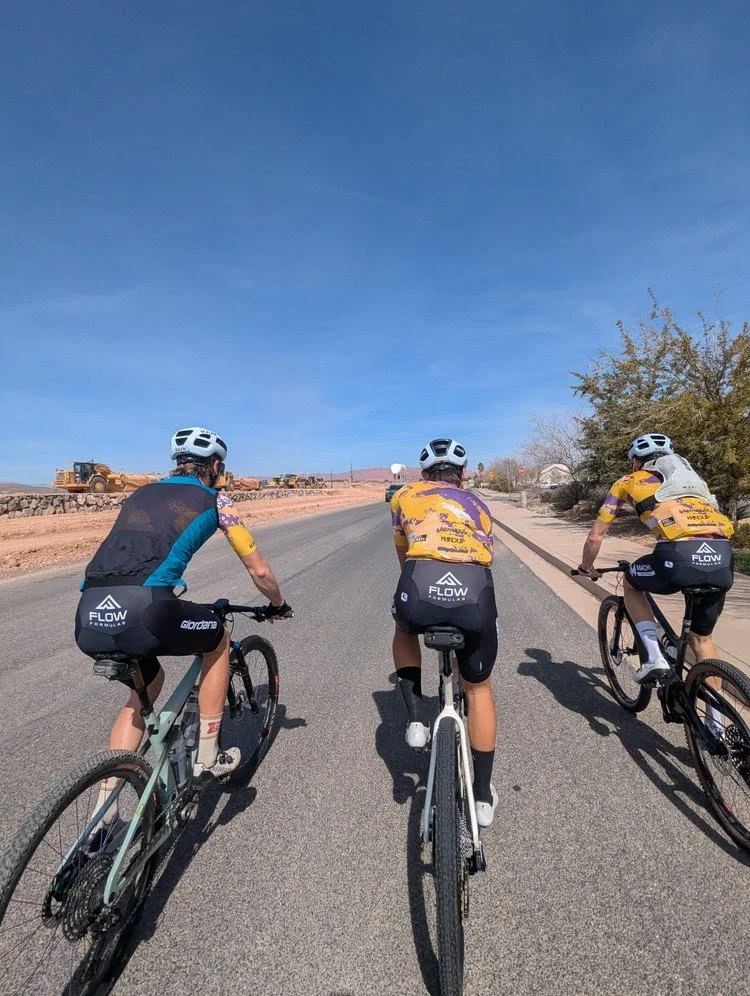
The key lesson: If moving up feels like a maximal effort every time... You're probably doing it wrong.